banner
Home

Blog

Blog

  • How to Select the Perfect Air Damper Machine for Your HVAC System
    How to Select the Perfect Air Damper Machine for Your HVAC System
    Aug 25, 2026
    Your HVAC system's performance is only as strong as its weakest link, and the air damper machine is often that overlooked component. Selecting this component strategically impacts energy savings, comfort, and system longevity. This article covers two main pillars: analyzing your application for the correct type and reviewing critical specifications like air leakage class and pressure drop. This ensures long-term value.   Key Takeaways Match the damper type to your system's core function. This ensures correct design for balancing, fire safety, or automation. Choose a damper with low air leakage and low pressure drop. These features save energy and reduce fan power costs. Select materials based on your environment. Ensure actuator torque and signal match your control system for reliable operation.   Analyze Your Application for the Right Air Damper Machine   Before you evaluate any product specifications, you must define what the damper must accomplish within your specific HVAC system. The "best" air damper machine is not the most expensive or the most feature-rich option; it is the one that matches your system's core function, environmental conditions, and control requirements.   Matching Core Function to Damper Type Start by identifying the primary role the damper will play. Each function demands a different blade design and operating mechanism. The table below maps common HVAC functions to their recommended damper types. Core Function Recommended Damper Type Selection Rationale Airflow balancing between rooms Opposed Blade Damper (OBD) Precise airflow adjustment; installs behind diffusers and grilles Fire protection in commercial buildings Fire Damper Closes automatically upon high temperature to prevent fire spread Automated or sensor-based control Motorized Damper Enables remote adjustments; low-leakage operation reduces energy loss Constant airflow in critical environments Constant Air Volume (CAV) Damper Maintains fixed airflow regardless of system pressure changes   For simpler applications, manual dampers offer a lower upfront cost and straightforward installation. They suit areas with stable occupancy and minimal airflow changes. Motorized dampers, however, provide automated adjustment based on real-time conditions. They excel in multi-zone buildings with fluctuating occupancy and temperature demands. Within the motorized category, choose modulating motors for VAV systems, two-position motors for fresh air intakes, and spring-return motors for fail-safe operations. This decision framework applies to every air damper machine you evaluate, regardless of manufacturer claims. You must also verify performance limits against your operating conditions. Check the damper's maximum allowable air velocity and pressure drop using AMCA-tested data. If your duct velocity exceeds the damper's rating, the unit is unsuitable regardless of its price. For fire and smoke dampers, compliance with UL 555 and UL 555S standards is non-negotiable. Dynamic fire damper ratings must include airflow and closure pressure ratings, and the installed damper must exceed worst-case expected values.   Considering Material and Environmental Compatibility The operating environment dictates your material choice. Aluminum offers lightweight, corrosion-resistant performance, making it ideal for humid areas or load-limited structures. Galvanized steel provides strength and durability for industrial and fire-protection systems. ABS or plastic construction works only for light ventilation applications. For harsh environments such as marine or chemical settings, custom-engineered dampers allow proper material selection to handle temperature extremes and corrosive media, preventing premature failures and costly retrofits. Control type also affects your selection. Manual controls cost less and suit initial balancing with minimal maintenance. Motorized controls integrate with Building Automation Systems (BAS) and enable sensor-based adjustments. Always install an access panel alongside the damper, especially for fire and motorized units, to allow regular inspection without removing duct sections. This access consideration reduces long-term maintenance costs significantly.   Specifications: Sizing, Performance, and Long-Term Value Once you define your application, you must evaluate the technical specifications that determine real-world performance. Two characteristics dominate this evaluation: air leakage and pressure drop. These metrics directly impact your energy bills and system balance, so you cannot afford to overlook them.   Sizing, Air Leakage, and Pressure Drop Air leakage measures how much air passes through a closed damper. A lower value indicates better sealing and tighter shutoff. Pressure drop measures airflow resistance when the damper blades sit fully open; a lower value indicates more efficient air performance. Both specifications matter, but they influence energy consumption differently. Pressure drop affects all intended airflow whenever the fan operates, while leakage energy depends on leak location, pressure difference, and conditioning load.   Specification What It Tells You Why It Matters Pressure Drop Resistance to airflow when blades are fully open Lower values reduce fan energy consumption Air Leakage Amount of air passing through a closed damper Lower values prevent conditioned air loss   Industry standards classify leakage performance. For smoke dampers, IBC and IMC require leakage ratings of Class I or II. Energy codes prescribe maximum leakage rates for outdoor air dampers to ensure energy efficiency. For critical applications like hospitals and stairwells, specify dampers with low leakage ratings, such as Class I. Energy codes mandate that economizer outdoor air and return air dampers meet maximum leakage rates. This requirement directly ties damper leakage class to energy efficiency by limiting unintended airflow, which reduces energy waste from conditioned air escaping or unconditioned air entering the system. The relationship between leakage and efficiency is not linear. The lowest leakage rate is not always optimal. You must balance leakage performance against pressure drop for the best overall system performance. A damper design should minimize airflow resistance to reduce pressure drop across the system. The fan energy needed to move air through a damper ties directly to the resulting pressure drop.   Material Selection and Actuator Compatibility Your material choice affects durability and thermal performance. Galvanized steel and aluminum each serve different environments. Actuator compatibility represents a common point of failure. You must match the actuator's torque to the damper's requirements. Undersized actuators cannot reach required positions or disable fail-safe operations. Control signal matching also demands attention. Match the actuator's input signal to your controller's output signal, and verify the fail-safe position for spring-return actuators. A properly specified Air Damper Machine reduces strain on your equipment and potentially extends system lifespan. While cheaper alternatives offer lower upfront costs, they often lead to higher operational expenses over time. For complex systems where efficiency matters, invest in quality. The initial premium pays dividends through reduced energy waste and fewer service calls.   Start with your application, then size correctly, then verify performance data. A poorly specified Air Damper Machine wastes more energy than any upfront savings deliver. Choose manufacturers with proven quality. For tailored solutions balancing performance and budget, contact us today.   FAQ How do I choose the right air leakage class for my damper? Check your local energy code. Choose a damper with Class I leakage rating for the tightest shutoff in critical applications. How do I integrate a damper with my air supply system? Pair your air supply outlet with a compatible air damper. Match airflow ratings and control signals to avoid imbalance. How do I evaluate damper manufacturing quality? Seek manufacturers with proven quality standards. This ensures consistent quality and rigorous testing.
    Read More
  • How Automatic CNC Machines Are Improving Modern Sheet Metal Fabrication
    How Automatic CNC Machines Are Improving Modern Sheet Metal Fabrication
    Aug 20, 2026
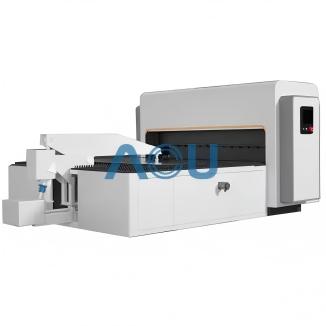
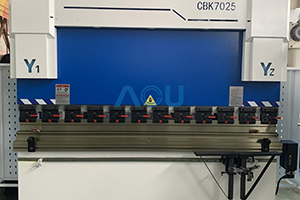
    Sheet metal fabrication is becoming increasingly focused on precision, flexibility, and production efficiency. As manufacturers handle more complex designs, shorter production cycles, and changing customer requirements, traditional manual processes can make it difficult to maintain consistent quality and productivity. This is one reason why an automatic CNC machine has become an important solution for modern metalworking. By using computer-controlled processes, CNC equipment can help manufacturers perform cutting, bending, and other operations with greater repeatability while reducing unnecessary manual intervention. For companies planning to upgrade their sheet metal production capabilities, the key is not simply choosing a machine with advanced specifications. It is more important to understand how different CNC technologies fit into the complete production workflow. Why Are Automatic CNC Machines Becoming More Important? In conventional sheet metal production, operators may need to measure, position, cut, bend, and inspect components through several separate steps. Repeated manual operations can increase handling time and make consistency more difficult to maintain, particularly when production volumes increase. An automatic CNC machine allows programmed instructions to control important processing movements. Once the appropriate program has been established, the same operation can be repeated more consistently across different production batches. This is especially useful for manufacturers producing: Repetitive sheet metal components Custom metal parts with different designs Complex cutting profiles Electrical and industrial enclosures Automotive and machinery components Short- and medium-volume production runs Automation is also becoming a practical response to labor and productivity challenges. Rather than eliminating skilled operators, CNC automation can reduce repetitive manual work and allow employees to focus more on programming, quality control, equipment management, and process improvement. Cutting and Bending: Two Essential Steps in Sheet Metal Fabrication Most sheet metal products require more than simply cutting a flat sheet. After the material is cut into the required profile, it may need to be bent, formed, assembled, or further processed before becoming a finished component. This means that cutting and bending should be considered as connected stages of the manufacturing process. A highly accurate cutting process provides a better starting point for subsequent forming operations. At the same time, consistent bending is essential for turning the cut component into a finished part that meets the required dimensions. For manufacturers looking to improve overall production efficiency, both technologies deserve careful consideration. Fiber Laser Cutting for Precision Metal Processing Fiber laser technology has become an important solution for modern metal cutting because it can process complex profiles directly from digital designs. Compared with many traditional cutting methods, laser cutting provides manufacturers with greater flexibility when producing parts with irregular contours, holes, slots, and other detailed features. The development of fiber laser technology is also closely connected with the wider trend toward automated sheet metal production. Manufacturers are increasingly looking at not only cutting performance but also programming, material handling, workflow integration, and production efficiency. CNC Bending for Consistent Forming After cutting, many components require one or more bending operations. These may include brackets, panels, machine covers, housings, frames, and other industrial components. A CNC bending system uses programmed movements to control the forming process. This can improve repeatability and reduce the dependence on manual positioning, particularly when the same components need to be produced repeatedly. For manufacturers with a significant amount of bending work, selecting an appropriate CNC bending solution can therefore have a direct impact on production efficiency. Advanced Fiber Laser Cutting Machine for Modern Metal Cutting The advanced fiber laser cutting machine available in ACU's CNC Machine category is designed for CNC-controlled metal cutting applications. According to the product information provided by ACU, the machine uses fiber laser technology and can be applied to materials such as steel, stainless steel, aluminum, brass, and copper, depending on the specific machine configuration. Explore the Advanced Fiber Laser Cutting Machine → For manufacturers, a fiber laser cutting machine can be particularly useful when production requires accurate and repeatable profiles. Typical applications may include industrial machine components, metal panels, electrical enclosures, brackets, automotive parts, construction components, and other fabricated metal products. The biggest advantage is flexibility. Instead of producing only one fixed shape, the machine can process different programmed designs, making it suitable for manufacturers that need to handle multiple product specifications. What Should Buyers Consider Before Choosing a Fiber Laser Cutting Machine? Machine selection should start with the actual production requirements rather than focusing only on maximum machine specifications. Manufacturers should consider: Material types Typical material thickness Maximum sheet dimensions Common part geometries Production volume Required cutting accuracy Available factory space Expected future production needs For example, a manufacturer primarily processing thin stainless steel sheets may have very different requirements from a company producing heavier structural components. The most suitable CNC metal cutting machine is therefore the one that matches the company's real production conditions. Press Arm CNC Bending Center for Efficient Forming Cutting is only the beginning of the sheet metal manufacturing process. For many fabricated components, bending determines whether the final product can achieve the required shape and dimensional consistency. The press arm CNC bending center is another solution available from ACU for CNC-controlled sheet metal forming applications. According to ACU's product information, the machine features a cage-type welded bed and is designed with a focus on stability and efficient bending performance. Explore the Press Arm CNC Bending Center → A CNC bending center can be useful for manufacturers producing components that require repeated bending operations and consistent positioning. Instead of relying entirely on manual measurements and adjustments, programmed CNC operations can help operators maintain a more consistent production process. Where Can a CNC Bending Center Be Used? CNC bending equipment can support the production of many types of sheet metal components. Common examples include: Electrical enclosures Equipment housings Metal brackets Machine panels Automotive components Construction parts Industrial frames and covers The actual suitability of a bending machine depends on the component design, material, thickness, bending sequence, and production requirements. For this reason, manufacturers should ideally provide representative drawings or workpiece information when discussing equipment options with a supplier. Should You Choose Cutting or Bending Equipment First? For manufacturers upgrading their production lines, this is not necessarily an either-or decision. A fiber laser cutting machine and a CNC bending center perform different but complementary functions. The laser cutting process creates the required flat-sheet profile, while the bending process transforms that component into its final three-dimensional shape. Digital Design → CNC Cutting → Material Sorting → CNC Bending → Inspection → Assembly If cutting becomes much faster but bending remains largely manual, bending may become the new bottleneck. Similarly, investing heavily in bending capacity without improving upstream cutting efficiency may leave the forming equipment waiting for material. The better strategy is to evaluate the complete workflow and identify the stage that currently limits production. How to Choose the Right Automatic CNC Machine Purchasing CNC equipment is a long-term investment, so manufacturers should evaluate more than the machine's basic specifications. 1. Start With Your Materials Identify the materials most commonly used in production. Steel, stainless steel, aluminum, brass, and other metals can have different processing characteristics. The equipment should therefore be selected according to the actual material mix rather than occasional production requirements. 2. Analyze Your Typical Part Sizes Consider both the largest and most common sheet sizes used in production. A machine that is technically capable of processing very large sheets may not necessarily be the most practical choice if most daily production involves smaller components. 3. Look at Part Complexity Simple rectangular parts and complex components with multiple holes, contours, or bending operations can require very different production solutions. Review several representative parts instead of evaluating the machine based on a single product. 4. Consider Production Volume Production volume can significantly influence the value of automation. For highly repetitive production, automated CNC processes can help improve consistency and reduce repetitive manual work. For customized or lower-volume production, flexibility and ease of programming may be more important. 5. Identify Your Current Bottleneck Before purchasing equipment, ask where production is currently losing the most time: Is the problem cutting? Is material handling slowing down production? Is manual bending creating inconsistencies? Or is the bottleneck caused by setup and changeover time? The answer can help determine which type of automatic CNC machine should be prioritized. The Shift Toward More Connected Sheet Metal Production Another important development in modern manufacturing is the movement from standalone machines toward more connected production processes. Automation is increasingly being considered together with digital programming, material handling, production planning, and process monitoring. This does not mean every manufacturer needs a completely automated factory. For many companies, a gradual approach can be more practical. A manufacturer may first introduce CNC laser cutting, then improve bending automation, followed by better material handling and production management. This step-by-step approach allows companies to address their biggest production problems first while keeping investment aligned with actual business requirements. How Cutting and Bending Work Together One of the most important considerations in sheet metal production is maintaining a balance between cutting and forming capacity. A manufacturer may have excellent cutting performance but still experience delays if the bending process cannot keep up. Likewise, a highly efficient CNC bending center cannot operate efficiently if cut components are not supplied at the required rate. This is why manufacturers should evaluate both processes when planning a new production line. For companies producing complete fabricated components, combining an Advanced Fiber Laser Cutting Machine with a suitable Press Arm CNC Bending Center can create a more coordinated workflow from flat sheet to finished component. Practical Questions to Ask Before Buying CNC Equipment What materials do you process most frequently? Knowing the material type and thickness range helps narrow down suitable equipment. What products do you manufacture? Representative drawings or finished parts can provide more useful information than a general description. How much do you produce? Production volume helps determine whether automation should focus on flexibility, repeatability, or throughput. Where is the current bottleneck? Understanding the existing production problem makes it easier to select equipment that delivers practical value. What do you expect to produce in the future? A machine should not only meet today's requirements. Future product development and production changes should also be considered. FAQ About Automatic CNC Machines What is an automatic CNC machine? An automatic CNC machine uses computer-controlled instructions to perform manufacturing operations with limited manual intervention. In sheet metal fabrication, CNC technology can be used for cutting, bending, punching, and other metalworking processes. What is an Advanced Fiber Laser Cutting Machine used for? An Advanced Fiber Laser Cutting Machine is used to cut metal sheets into programmed shapes and profiles. It can be suitable for different industrial applications depending on the material, thickness, machine configuration, and production requirements. What is a Press Arm CNC Bending Center? A Press Arm CNC Bending Center is CNC-controlled equipment designed for sheet metal bending and forming. It can help manufacturers achieve more consistent positioning and repeatable bending operations. Do I need both laser cutting and CNC bending equipment? It depends on the production process. If your products require both cutting and bending, evaluating the two processes together can help create a more balanced production workflow and reduce potential bottlenecks. How do I choose the right CNC sheet metal machine? Start with your actual production requirements, including material type, thickness, sheet size, component geometry, production volume, required operations, and available factory space. Representative product drawings can also help a machinery supplier recommend a suitable solution. Build a More Efficient Sheet Metal Production Process With ACU Modern sheet metal fabrication is moving toward greater automation, consistency, and process integration. Choosing the right equipment is therefore not simply about selecting the machine with the highest specifications. It is about finding a solution that fits the materials, products, production volume, and workflow of your factory. From precision cutting with an advanced fiber laser cutting machine to efficient forming with a press arm CNC bending center, ACU provides CNC solutions for different stages of sheet metal processing. If you are planning to upgrade your production capabilities or looking for a suitable automatic CNC machine, visit ACU Machinery to explore available equipment and learn more about its CNC Machine solutions.
    Read More
  • How Concrete Pipe Making Machines Operate in Modern Manufacturing
    How Concrete Pipe Making Machines Operate in Modern Manufacturing
    Aug 12, 2026
    Modern infrastructure projects rely heavily on the concrete pipe making machine to build reliable drainage systems. Modern manufacturing facilities use a streamlined process to craft each durable pipe: Operators batch aggregate, cement, and water. Fabricators place reinforcement steel cages into molds. High-frequency vibration handles compaction. Technicians apply hydration curing. Integrated ACU modules monitor every step automatically. You can complete large infrastructure projects faster because this automated machine maintains consistent dimensions and high structural strength during underground construction pipe production.   Key Takeaways Automated machines mix raw materials and build strong steel cages to give concrete pipes high strength. High-frequency vibrators and digital sensors pack concrete tightly to create durable walls with perfect shapes. Steam chambers cure fresh pipes quickly to prevent cracking and ensure high quality for major construction projects.   Material Batching and Cage Fabrication in the Manufacturing Process Concrete Material Mixing and Transport You start concrete pipe production by feeding dry aggregate, cement, and water into automated batching mixers. These computer-controlled units measure every raw material accurately to guarantee mix quality in modern concrete manufacturing. Automated batching control systems monitor moisture levels in real time to maintain uniform consistency.   Material Weighing Accuracy (percentage error) Aggregate ±2% of batch size Cement ±1% of batch size Water ±1% of batch size   Conveyor belts transfer this concrete mix directly into transition hoppers positioned above the main casting zone. These hoppers feed the concrete machine continuously during daily plant operations. Proper batching creates dense concrete walls that withstand heavy environmental exposure and wear.   Reinforcement Steel Cage Fabrication You must fabricate rigid steel reinforcement cages before placing concrete into the pipe machine. Automated cage winding machinery shapes heavy steel wire into strong cylindrical structures with uniform spacing. Precision electric welders secure every wire intersection to guarantee structural rigidity. Operators adjust the cage diameter and length to match specific pipe mold dimensions. These steel cages give finished concrete pipes high load-bearing capacity for demanding underground construction. Strong internal steel reinforcement prevents structural cracking during deep soil compaction and heavy surface traffic. Urban drainage systems and regional sewage networks rely on these reinforced concrete cores to support continuous earth pressures. Workers align each steel cage inside the outer mold to prepare for active concrete placement. Essential infrastructure like municipal sewer networks and local drainage construction projects requires this precise manufacturing process for long service life.   Core Operations of the Concrete Pipe Making Machine   Molding and Vibration Compaction Tech You achieve dense pipe walls using advanced high-frequency vibration compaction and spinning technology during active pipe production. This mechanical molding process forces trapped air out of the wet mixture efficiently. High-frequency vibrators pack heavy aggregate tightly inside the reinforced mold frame. Consequently, you build superior structural durability into every modern concrete product during daily factory shifts. A heavy-duty Pipe Forming Machine works alongside each modern concrete pipe making machine to process dry concrete with low water content. Powerful centrifugal forces push the stiff mixture outward against the structural mold wall. This intense compacting action creates tight material bonding across the complete cylinder wall thickness. You continuously maintain precise shape stability throughout this critical operational phase of concrete pipe production.   Roller Suspension and ACU Systems Roller-type equipment utilizes extreme mechanical pressure to shape stiff concrete mixtures rapidly inside heavy molds. The primary drive shaft spins the inner roller axle directly against the specialized steel mold body. High compaction pressure shapes smooth, dense inner walls within short cycle times. You boost total plant efficiency while preserving exact structural dimensions across large production orders. Integrated ACU digital control units continuously track dynamic molding pressure, rotational speed, and material feed rates during active casting. Automated digital sensors stream operational data straight to your primary control panel interface. You make immediate machine adjustments to protect output quality on every shift. This smart monitoring system enables your plant to mass produce quality concrete pipe sections reliably. You optimize overall production efficiency while running an Automatic Concrete Pipe Making Machine on your factory floor. Advanced digital automation maximizes long-term operational performance for every concrete pipe making machine.   Key Technologies in Making Concrete Pipe Products Spinning and Roller Pipe Making Machine Operations You compare different types of concrete pipe making machines to select suitable equipment for municipal construction projects. Roller suspension units press stiff concrete mix quickly into vertical molds. Centrifugal spinning units rotate molds at high speeds to force wet concrete outward against mold walls. Casting Method Wall Thickness Uniformity Centrifugal Casting High Sand Casting Low Investment Casting Moderate Centrifugal action ensures excellent wall thickness uniformity throughout making concrete pipe operations. Rotating equipment spreads wet mixture evenly along internal walls during casting. This process generates dense structural walls for each high quality pipe. You maximize overall plant efficiency while producing durable segments for modern road construction.   Hydration Curing and Final Quality Control You move fresh pipe molds into specialized steam hydration chambers after the mechanical forming phase. Controlled steam curing accelerates early strength development. Technicians maintain optimal thermal settings inside these enclosures. Proper hydration exposure prevents shrinkage cracks inside dense concrete walls. Technicians perform non-destructive quality testing on finished pipe products before final shipment. Ultrasonic testing tools measure wall density and detect hidden internal voids without damaging fresh units. You inspect outer dimensions carefully to maintain consistent product quality. Automated factory control guarantees structural integrity across large factory runs. Modern industrial facilities rely on the concrete pipe making machine to meet demanding output goals. Each concrete pipe making machine follows strict operational standards during every manufacturing process phase. This versatile concrete pipe making machine delivers strong underground drainage components continuously. You operate a reliable concrete pipe making machine to serve modern civil infrastructure needs effectively.   You streamline pipe production across modern infrastructure projects through automated batching, molding, and hydration curing. Deploying a concrete pipe making machine integrates ACU monitoring to enhance overall construction output quality. This industrial system increases production efficiency significantly. These advanced capabilities drive the future development of concrete pipe manufacturing technology effectively for modern civil works.   FAQ How does automated equipment optimize pipe production for civil infrastructure? You streamline daily pipe production and build strong concrete drainage systems. Automation accelerates concrete construction while preserving high manufacturing quality across every concrete segment and concrete wall. What are the main factors affecting concrete pipe quality during casting? Accurate material batching and vibration compaction are primary factors affecting concrete pipe quality. Careful hydration curing produces dense concrete mixes, giving each concrete pipe long service life. Why do modern infrastructure projects require concrete drainage systems? Heavy underground traffic requires durable concrete structures. You install reinforced concrete components in civil construction to build strong concrete pipelines that withstand extreme soil pressure easily.
    Read More
  • Why Flexible Roll Forming Is Leading the Industry in 2026
    Why Flexible Roll Forming Is Leading the Industry in 2026
    Aug 03, 2026
    The global manufacturing industry is entering a new phase of transformation. As supply chains continue to adapt to shifting market demands and manufacturers pursue greater production flexibility, automation, energy efficiency, and digital manufacturing have become the core topics shaping the metal forming sector in 2026. More companies are investing in intelligent production lines that reduce labor costs while enabling faster product customization.   Against this backdrop, choosing the right roll forming machine is no longer just about producing metal profiles—it's about building a smarter, more competitive factory.   Smart Manufacturing Is Driving the Next Generation of Roll Forming In recent months, discussions around AI-assisted production, predictive maintenance, and digital factory upgrades have become increasingly common across the manufacturing industry. Equipment suppliers are responding by developing production systems that integrate automation, precision control, and real-time monitoring.   Modern roll forming machine technology now offers manufacturers several competitive advantages: Faster production cycles with consistent quality Reduced material waste through precision forming Lower labor dependency via automated operation Flexible profile switching for customized orders Easier integration with Industry 4.0 manufacturing systems For businesses serving construction, furniture, solar energy, home decoration, and industrial equipment markets, these capabilities translate directly into higher productivity and stronger profitability.   Meeting Growing Demand for Decorative Metal Products The global interior decoration and commercial renovation sectors continue to expand, creating increasing demand for high-quality metal decorative profiles. From residential projects to luxury hotels and retail spaces, manufacturers require equipment capable of producing aesthetically consistent products while maintaining high output.   One excellent example is the photo frame roll forming machine, specifically designed for producing decorative metal frame profiles with exceptional dimensional accuracy and surface quality. Its advantages include: High-speed continuous production Stable forming precision Excellent compatibility with various steel and aluminum materials Reduced setup time for different profile designs Lower production costs through automated operation As consumer expectations for premium interior products continue to rise, manufacturers equipped with automated roll forming solutions gain a significant competitive advantage.   Automated Production Is Transforming Sandwich Panel Manufacturing The rapid expansion of logistics centers, cold storage facilities, clean rooms, modular buildings, and renewable energy projects has fueled strong demand for insulated sandwich panels worldwide. To meet increasing production requirements, manufacturers are moving away from semi-automatic processes toward fully integrated production lines such as automatic sandwich panel production equipment. These advanced systems deliver: Continuous automated production Precise thickness and density control Improved bonding consistency Higher production efficiency Lower operating costs over long production runs With governments around the world promoting energy-efficient buildings and sustainable construction, automated sandwich panel production is expected to remain one of the fastest-growing segments in the metal forming industry.   Why Equipment Reliability Matters More Than Ever Market uncertainty has encouraged manufacturers to focus not only on expanding production capacity but also on maximizing equipment uptime. Reliable machinery provides long-term value through: Stable performance during continuous operation Reduced maintenance frequency Higher production consistency Faster return on investment Better adaptability to changing market requirements Rather than simply purchasing equipment, today's manufacturers are seeking long-term production partners capable of supporting future business growth.   ACU Sheet Metal Machine: Supporting Global Manufacturers At www.acusheetmetalmachine.com, we understand that every production line represents a long-term investment. Our engineering team focuses on delivering customized roll forming solutions that combine precision engineering, intelligent automation, and dependable performance.   Whether customers are expanding production capacity, upgrading existing factories, or entering new markets, we provide equipment designed to improve manufacturing efficiency while supporting future digital transformation.   From standalone machines to fully integrated production lines, our solutions help manufacturers stay competitive in an industry where flexibility, automation, and product quality have never been more important.   Looking Ahead The manufacturing landscape in 2026 is evolving faster than ever. Companies that embrace automation, intelligent production, and flexible manufacturing systems will be better positioned to respond to changing customer demands and global market opportunities. Investing in advanced roll forming technology is no longer simply an equipment decision—it is a strategic investment in long-term competitiveness.   If your business is planning its next production upgrade, visit www.acusheetmetalmachine.com to explore innovative roll forming solutions engineered for the future of smart manufacturing.
    Read More
  • How does advanced machinery improve precision and efficiency?
    How does advanced machinery improve precision and efficiency?
    Mar 07, 2025
    In the fast-paced world of metal fabrication, precision, speed, and sustainability are non-negotiable. For industries ranging from automotive to aerospace, CNC sheet metal machinery has become the backbone of modern manufacturing. Acu Sheet Metal Machine stands at the forefront of this revolution, offering state-of-the-art equipment designed to streamline workflows, reduce waste, and deliver flawless results. 1. Maximize Productivity with CNC Sheet Metal Machinery Gone are the days of manual, error-prone metal cutting. Acu’s CNC sheet metal machinery combines computer-controlled precision with robust engineering, enabling manufacturers to produce complex parts at unmatched speeds. These machines excel in high-volume production, ensuring consistent quality while minimizing material waste. Features like automatic tool changers and real-time diagnostics reduce downtime, making them indispensable for factories aiming to meet tight deadlines. Pro Tip: Pair Acu’s CNC punching machines with CAD/CAM software to automate design-to-production workflows and slash lead times by up to 40%. 2. Laser-Sharp Accuracy with Precision Laser Cutting Machines When it comes to intricate designs and ultra-thin materials, precision laser cutting machines are the gold standard. Acu’s fiber laser systems deliver micron-level accuracy, effortlessly slicing through stainless steel, aluminum, and alloys with minimal heat distortion. Ideal for industries like electronics and medical device manufacturing, these machines ensure clean edges and burr-free finishes, eliminating the need for secondary processing. Why It Matters: By integrating IoT-enabled monitoring, Acu’s laser cutting solutions empower operators to track energy consumption and optimize efficiency—key for eco-conscious businesses. 3. Streamline Complex Bends with Automated Bending Systems Bending thick metal sheets with precision is no small feat. Acu’s automated bending systems leverage robotic arms and AI-driven angle correction to achieve flawless bends repeatedly. Whether crafting HVAC components or automotive chassis, these systems reduce human error and labor costs. The programmable backgauges and multi-axis capabilities allow for rapid setup changes, catering to both small batches and mass production. Case in Point: Acu’s hydraulic press brakes are engineered with overload protection, ensuring durability even under heavy-duty workloads. Why Choose Acu Sheet Metal Machine? Acu Sheet Metal Machine isn’t just a supplier—it’s a partner in innovation. Their CNC sheet metal machinery, laser cutting systems, and automated bending solutions are built to adapt to Industry 4.0 demands, prioritizing smart manufacturing and sustainability. With energy-efficient designs and global compliance certifications, Acu empowers businesses to stay competitive in a rapidly evolving market. From CNC-driven precision to laser-cutting agility and automated bending versatility, Acu’s machinery lineup addresses the core challenges of modern metal fabrication. Investing in advanced equipment isn’t just about keeping up—it’s about leading the charge toward smarter, greener, and more profitable production.  
    Read More
  • Unveiling Our Advanced Air Damper Machine
    Unveiling Our Advanced Air Damper Machine
    Feb 28, 2025
    In the dynamic landscape of modern industries, air damper machines play a crucial role in various sectors, from construction to environmental protection. Today, we're excited to take you on a deep dive into our cutting-edge range of air damper machines that are set to transform the way you approach air damper production.   Let's start with our Positive Pressure Air Supply Outlet Machine. This isn't just another production line; it's a game-changer for manufacturing air supply outlet frames. With its customizable dimensions, it offers unparalleled flexibility, allowing you to meet the diverse needs of your projects. Whether you're working on a small-scale residential project or a large commercial development, this machine has got you covered. The high efficiency of this automated production line is truly remarkable. It churns out high-quality frames at an impressive pace, making it an ideal choice for fire damper production. No more spending countless hours on manual labor or dealing with inconsistent frame quality. This machine ensures precision and speed, giving you a competitive edge in the market.   Next up, our HVAC Damper Frame Roll Forming Machine is a technological marvel. It incorporates innovative techniques that eliminate the need for welding and rust prevention treatment. This not only preserves the zinc coating of galvanized plates but also ensures that the final product meets national environmental standards. In an era where sustainability is key, this machine is a step in the right direction. The fully automated production line takes efficiency to a whole new level. It significantly reduces production time, allowing you to increase your output and meet tight deadlines. Moreover, it minimizes material waste, which is not only cost-effective but also environmentally friendly. For large-scale fire damper manufacturing, this machine is the ultimate solution.   The Card Seat Blade Cutting Machine is designed to tackle the most intricate cutting tasks with ease. Whether it's wind outlet cards, return air cards, louver blades, or snowflake cards, this machine is up for the challenge. Its ability to automatically adjust to pre-set dimensions ensures precision cutting. Every slot cut is identical, solving the age-old problem of inconsistent cuts that often plague manual cutting methods. This level of accuracy not only improves the quality of your products but also reduces the need for rework, saving you time and money in the long run.   Last but not least, our Hand-folding Fire Damper Frame Production Line represents the pinnacle of modern manufacturing technology. This state-of-the-art, high-efficiency automatic production line is dedicated to manufacturing high-quality fire dampers. By eliminating traditional welding and rust-prevention processes, it offers an environmentally-friendly solution that also enhances production efficiency, stability, and product consistency. You can trust this production line to produce fire dampers that meet the highest industry standards.   Our range of air damper machines is designed to meet the diverse needs of modern industries. Whether you're looking for efficiency, precision, or sustainability, we have the perfect machine for you. Don't miss out on the opportunity to revolutionize your air damper production process. Contact us today to learn more about our products and how they can transform your business.
    Read More
  • Choosing the Right CNC Machine for Your Business: A Guide to Automatic CNC Bending Centers and CNC Punch Presses
    Choosing the Right CNC Machine for Your Business: A Guide to Automatic CNC Bending Centers and CNC Punch Presses
    Feb 21, 2025
    In the manufacturing industry, CNC (Computer Numerical Control) machines have become essential tools for improving production efficiency, ensuring precision, and reducing labor costs. For B2B clients, selecting the right CNC equipment is a critical step in optimizing production processes. This article will focus on two popular types of CNC machines—Automatic CNC Bending Centers and CNC Punch Presses—to help you make an informed decision based on your business needs.   The Advantages of Automatic CNC Bending Centers Automatic CNC bending centers are ideal for the metal fabrication industry, particularly for producing complex parts that require high-precision bending. These machines excel in automating repetitive tasks, significantly reducing manual intervention and boosting production efficiency. For instance, automatic CNC bending centers can quickly handle large volumes of metal sheet bending while maintaining consistent dimensions and angles for each product. Industries such as automotive and aerospace, which demand high precision and repeatability, greatly benefit from these advanced machines.   The Versatility of CNC Punch Presses CNC punch presses are renowned for their versatility and efficiency. They can perform a variety of operations, including punching, cutting, and forming, by simply changing the tooling. This makes them an excellent choice for businesses that need to produce a wide range of products, such as electronic enclosures or architectural metal components. Compared to traditional mechanical punch presses, CNC punch presses offer higher precision and flexibility, making them suitable for customized production requirements.   Matching CNC Machines to Your Production Needs When selecting a CNC machine, it’s crucial to evaluate your specific production requirements. If your business primarily involves bending and shaping metal sheets, an automatic CNC bending center may be the better option. On the other hand, if you need to handle diverse shapes and sizes, a CNC punch press might be more suitable. Additionally, factors such as production capacity, precision requirements, and budget should also be considered to ensure the chosen machine aligns with your business goals.   Enhancing Productivity Through Automation Both automatic CNC bending centers and CNC punch presses leverage automation to enhance productivity. Automated CNC machines minimize human error, shorten production cycles, and reduce labor costs. For B2B clients looking to stay competitive, investing in automated CNC equipment is a strategic move toward achieving scalable and efficient production.   The Importance of Maintenance and Support Beyond the machine’s performance, it’s essential to consider after-sales service and technical support when purchasing CNC equipment. Reputable suppliers offer comprehensive training, regular maintenance, and responsive technical assistance to ensure the machine operates smoothly over the long term. This is particularly important for minimizing downtime and maintaining consistent production output.   The Future: Smart CNC Machines As Industry 4.0 continues to evolve, smart CNC machines are becoming a significant trend in the manufacturing sector. Future automatic CNC bending centers and CNC punch presses will integrate IoT (Internet of Things) technology, enabling remote monitoring and data analysis to further improve efficiency and product quality. For B2B clients, adopting smart CNC machines early can provide a competitive edge in an increasingly digitalized market.
    Read More
  • How to Choose the Right Pipe Making Machine for Your Production Needs
    How to Choose the Right Pipe Making Machine for Your Production Needs
    Jan 23, 2025
    Choosing the right pipe making machine for your production line can be a challenging decision, but understanding your specific needs can help simplify the process. First, consider the type of pipes you intend to produce. If steel pipes are your focus, a steel pipe making machine designed specifically for the production of steel will ensure the strength and durability required for industries like construction and oil and gas. The materials you use play a significant role in determining the type of machine you'll need, as each machine is optimized for different materials and pipe specifications.   Production volume is another critical factor to consider. For large-scale production runs, speed and efficiency become a priority. A steel pipe making machine with high output capabilities can handle large quantities of steel pipes in a short time, maintaining high quality. However, if your needs involve smaller runs or more intricate designs, a tube laser cutting machine might be the better option. These machines offer unmatched precision, allowing for complex cuts and designs without compromising the integrity of the material. The flexibility of the tube laser cutting machine also makes it ideal for low-to-medium volume production with varying pipe sizes and shapes.   In addition to the material and production volume, it’s important to evaluate whether the machine offers the flexibility to handle customizations. Some steel pipe making machines are designed with adjustable settings for pipe diameter and thickness, while others can produce pipes with specialized coatings or finishes. If customization is at the core of your production needs, a tube laser cutting machine provides the precision necessary for crafting unique pipe designs or specialized cutting depths. This level of flexibility is particularly valuable when producing pipes that require detailed work or specific applications.   Automation is also an essential consideration when choosing the right machine. Automated systems can significantly reduce labor costs and minimize the chance for human error. A well-automated steel pipe making machine ensures that material feeding, cutting, and other operations run smoothly, improving overall productivity and reducing downtime. Similarly, tube laser cutting machines that integrate seamlessly with your existing digital manufacturing systems can streamline your workflow, allowing for faster, more efficient production.   Maintenance is another aspect that cannot be overlooked. Like any complex machinery, pipe making machines require regular upkeep to ensure optimal performance. Steel pipe making machines often require routine maintenance such as lubrication and part replacements. Machines that feature self-diagnostic systems can alert you to potential issues early, helping you avoid costly downtime. Similarly, tube laser cutting machines require periodic calibration to maintain their precision, especially when handling highly intricate designs. It’s essential to factor in the cost of maintenance and support services when considering your options.   Finally, while the initial cost of the machine is an important factor, it’s the long-term return on investment (ROI) that will ultimately determine whether the machine is the right choice. More advanced machines, whether a steel pipe making machine or a tube laser cutting machine, come with higher upfront costs but often deliver better efficiency, fewer operational hiccups, and more significant cost savings in the long run. Ensuring that you get the most value from your investment is crucial, and choosing a machine that aligns with your production goals is key to achieving that.   By carefully evaluating these factors, you’ll be able to make an informed decision and select the pipe making machine that best suits your production needs, ensuring greater efficiency and higher quality in your manufacturing process.
    Read More
  • How does ACU CNC bending center meet the diverse needs of users?
    How does ACU CNC bending center meet the diverse needs of users?
    Jan 17, 2025
    In the field of sheet metal processing, a CNC bending center with excellent performance is crucial. The ACU CNC bending center has attracted much attention, so can it meet the diverse needs of users?   For many users, processing accuracy is the primary consideration. This automatic flexible bending center adopts an advanced CNC system, combined with high-precision transmission components such as precision ball screws and linear guides, to ensure precise control of bending angles and sizes. Whether it is complex sheet metal processing or industries with extremely high precision requirements, it can provide reliable precision guarantees. The stability of the equipment is directly related to production efficiency and product quality. The ACU CNC bending center has a sturdy body structure, which is carefully designed and manufactured with excellent vibration resistance and stability. During long-term continuous operation, it can still maintain a stable operating state, reduce downtime caused by equipment failure, and improve production efficiency.   Convenience of operation is also a focus of users. Our CNC bending center is equipped with a user-friendly operation interface, which is easy to use. Even novice operators can familiarize themselves with the operation process in a short time and quickly perform programming and processing. In addition, the equipment also has intelligent auxiliary functions, such as automatic tool setting and parameter setting, which further improve the convenience of operation.   In terms of processing efficiency, our CNC bending center also performs well. The high bending speed and fast positioning system can greatly shorten the processing cycle. At the same time, the equipment supports multiple processing modes and can be flexibly switched according to different workpiece requirements to meet diverse production needs.   The maintenance cost of the equipment is also a factor that users need to consider. The ACU CNC bending center uses high-quality components and has a long service life. In addition, the maintenance of the equipment is relatively simple, easy to perform daily maintenance and troubleshooting, and reduces maintenance costs.   If you are looking for a CNC bending center that can meet high precision, high stability, easy operation, high efficiency and low maintenance cost, the ACU CNC bending center may be your ideal choice. Since 2007, we have been experts in manufacturing roll forming systems with high-quality CNC machines and other machinery. If you have any questions or needs, please feel free to contact us at sale@acusheetmetalmachine.com!  
    Read More
  • Unlock Precision and Efficiency with ACU's Roll Forming Machine
    Unlock Precision and Efficiency with ACU's Roll Forming Machine
    Jan 13, 2025
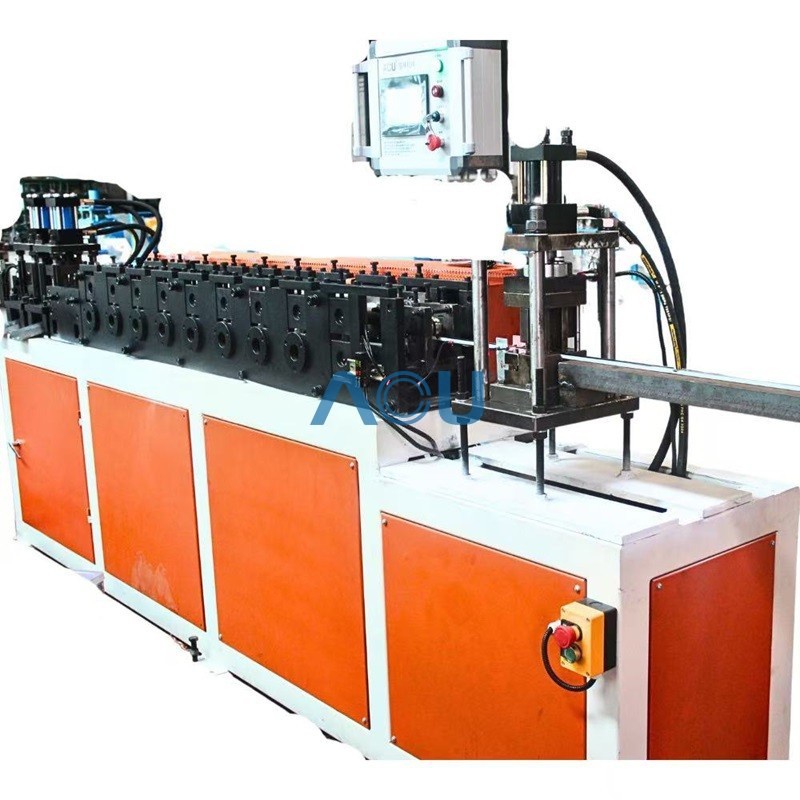
    At ACU, we understand the importance of high-quality, precision-engineered equipment in industries where form and function are paramount. That's why we proudly offer our state-of-the-art roll forming machines, designed to shape metal profiles, sheet metals, and various materials into precisely desired forms.   Why Choose ACU Roll Forming Machines?   Unmatched Precision: Our 2 in 1 roll forming machines are built with cutting-edge technology, ensuring precise and consistent profiles. Whether you're working with thin sheets or heavier materials, our machines deliver flawless results every time. Versatile Applications: ACU roll forming machines cater to a wide range of industries, including construction, automotive, white goods manufacturing, and energy. From structural components to custom-made profiles, our machines excel in every application. Efficiency & Reliability:With ACU's roll forming machines, you can increase production efficiency and reduce downtime. Our machines are designed for durability, ensuring that they operate smoothly and reliably in even the most demanding environments.   Custom Solutions We know that each industry has its unique requirements. That's why ACU offers customized roll forming solutions tailored to meet your specific needs, helping you create the ideal profiles with minimal waste and maximum output.   Industries We Serve Construction: Ideal for producing metal roofing, wall panels, and other structural components. Automotive: Perfect for creating parts such as door frames, body panels, and other components with high precision. White Goods: Used to manufacture metal parts for refrigerators, washing machines, and other appliances. Energy: Essential for producing components in the energy sector, including solar panel frames and other structural elements.   Experience the ACU Difference   Investing in an ACU roll forming machine means choosing a partner committed to excellence. With years of expertise in manufacturing reliable and efficient machinery, ACU is here to support your business with the best in class technology and customer service.   Contact us today to learn more about how our roll forming machines can enhance your production process, reduce costs, and increase efficiency. Together, let's shape the future of your industry.
    Read More
  • Searching for the Best Automatic Sandwich Panel Machine?
    Searching for the Best Automatic Sandwich Panel Machine?
    Dec 27, 2024
    In the world of modern manufacturing, the demand for high-quality sandwich panels is constantly on the rise. Whether it's for construction, refrigeration, or various industrial applications, the need for efficient and precise production machinery is crucial. This is where ACU's automatic sandwich panel production equipment steps in to make a significant difference. Our Automatic Sandwich Panel Machine is engineered with the latest technology and advanced features. It comes equipped with 58 polyurethane rubber rollers. These rollers, with a diameter of ∮ 180mm, ensure an even and consistent pressure distribution throughout the panel forming process. The large re-pressure point helps achieve better panel formation and adhesion, guaranteeing the durability and quality of the final product.   The machine also features dual hob cutting devices. These precision cutting tools ensure clean and accurate edges for the sandwich panels, making them ready for use in a wide range of applications. With a long roller frame spanning 9.6 meters and a conveyor frame of 6.7 meters equipped with two rock wool conveyor belts, it provides ample space and efficient material handling during continuous production of large panels.   The host gantry frames, four in number, offer excellent stability and support, enabling smooth and precise operation. The high-power host motor with a 5.5KW rating provides strong and reliable performance for all demanding tasks. The glue pump system, consisting of two motors and frequency converters controlling four glue pumps, offers superior control and consistency in adhesive application.   The pneumatic evening plate automatically lifts and lowers pneumatically with the help of a linear guide for precise movement. The self-insert crimping system has eleven forming steps with flanging wheels made of bearing steel, treated through vacuum quenching to a hardness of 58 - 62 HRC, ensuring robust and precise crimping. Additionally, the system is equipped with two sets of edge banding steel belt machines for high-quality edge finishes. The sturdy frame construction, with the upper pressure wheel frame made from 200x80x8mm rectangular tubes and the lower pressure wheel frame and large frame from 180x80x6mm, ensures exceptional durability.   This Sandwich Panel Production Equipment is highly versatile. In the construction industry, it is ideal for producing insulated panels used in building construction, especially for energy-efficient buildings and cold storage facilities. For refrigeration purposes, it is perfect for manufacturing panels for refrigerated trucks, cold rooms, and other temperature-controlled environments. In industrial use, it is also suitable for a variety of applications where sandwich panels are required for insulation, soundproofing, or structural support.   If you are looking to enhance your production capabilities and produce high-quality sandwich panels with precision and efficiency, look no further than ACU's Continuous Sandwich Panel Production Machine. Contact us now at sale@acusheetmetalmachine.com, we have more high quality roll forming machine and more.  
    Read More
  • How Does a Pipe Making Machine Work?
    How Does a Pipe Making Machine Work?
    Dec 19, 2024
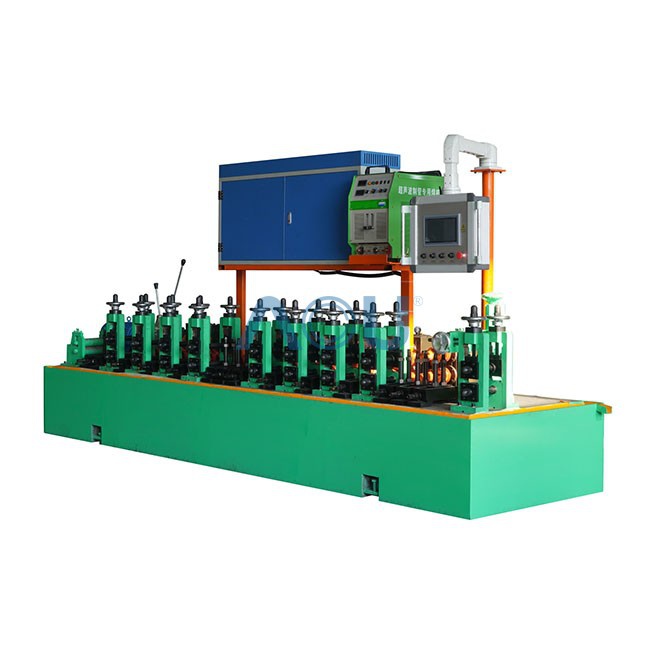
    Pipe making machines are essential tools in modern manufacturing, particularly for industries that require the production of high-quality pipes for various applications. Whether it’s for construction, water systems, or industrial projects, the ability to produce pipes efficiently and accurately is crucial. In this blog, we will explore how a pipe making machine works and why it is a critical component in the pipe production industry.   What is a Pipe Making Machine? It is a versatile piece of equipment designed for the manufacturing of pipes from a variety of materials, such as steel, stainless steel, and other metals. These machines are used to produce pipes in different sizes, shapes, and specifications, making them indispensable in industries like construction, plumbing, and oil & gas. The pipe manufacturing process involves several stages, and each stage requires precise machinery to ensure the highest quality of pipes. From the initial material input to the final output, a pipe making machine guarantees the efficiency and consistency of the production process.   The Stages of Pipe Production Material Feeding: The process begins with feeding raw materials, usually in the form of coils, into the machine. These coils are typically made of metal sheets, which will be formed into pipes. The machine automatically feeds the material into the forming section. Forming: In this stage, the metal sheet is continuously bent and rolled to form a pipe shape. This is achieved through a series of rollers and presses that carefully shape the material without damaging its integrity. It ensures that the pipe maintains a consistent diameter and smooth surface throughout the forming process. Welding: After the pipe has been formed, the next critical step is welding. In many cases, a pipe welding machine is used to join the edges of the metal sheet together, creating a continuous pipe. These machines utilize high-frequency welding or TIG (Tungsten Inert Gas) welding techniques to ensure strong and durable welds. The pipe welding machine plays a vital role in maintaining the structural integrity of the pipe and ensuring it meets the required standards. Sizing and Cutting: Once the pipe is welded, it passes through sizing rollers that help shape the pipe to its exact dimensions. After sizing, the pipe is cut into the required lengths, depending on the customer’s specifications. The cutting process can be done either manually or automatically, depending on the model of the machine. Finishing: Finally, the pipe undergoes a finishing process that may include polishing, coating, and quality inspection. These final touches ensure that the pipe meets all industry standards and is free from defects.   Key Benefits of Using a Pipe Making Machine High Efficiency: One of the major advantages of using a pipe making machine is its efficiency. The entire production process—from feeding raw materials to the final output—is automated, allowing manufacturers to produce large quantities of pipes in a short amount of time. Customization: Pipe Making Machines can be customized to produce pipes of various diameters, lengths, and thicknesses, catering to a wide range of industry needs. Whether you require small-diameter pipes for plumbing or large-diameter pipes for industrial projects, these machines can handle it all. Consistency and Precision: With advanced technology, pipe making machine ensure that each pipe is produced to precise specifications. This consistency in size, shape, and quality is essential for industries that rely on accurate pipe dimensions. Cost-Effective: While the initial investment in a pipe making machine may be high, the long-term savings are substantial. Automation reduces the need for manual labor and minimizes the risk of errors, resulting in reduced production costs and increased profitability.   Applications of Pipe Making Machines The versatility of this machine allows them to be used across a variety of industries, including: Construction: For producing pipes used in plumbing, drainage, and structural applications. Oil and Gas: Manufacturing high-quality pipes for transporting oil and gas under high pressure. Water Systems: For producing pipes used in water distribution and treatment systems. Automotive: Producing pipes for exhaust systems, fuel lines, and other vehicle components.   A pipe making machine is a vital piece of equipment for the efficient and accurate production of pipes across a wide range of industries. By understanding how these machines work and the benefits they offer, businesses can make informed decisions when it comes to choosing the right equipment for their pipe manufacturing needs. Whether you're looking to increase production efficiency or improve the quality of your pipes, investing in a pipe making machine can take your manufacturing capabilities to the next level.   If you're interested in learning more about how our pipe making machine can benefit your business, feel free to contact us for more information.
    Read More
1 2

leave a message

leave a message
If you are interested in our products and want to know more details,please leave a message here,we will reply you as soon as we can.
Submit

Our hours

Mon 11/21 - Wed 11/23: 9 AM - 8 PM
Thu 11/24: closed - Happy Thanksgiving!
Fri 11/25: 8 AM - 10 PM
Sat 11/26 - Sun 11/27: 10 AM - 9 PM
(all hours are Eastern Time)

Contact Us:charlie@acurollforming.com

Home

Products

whatsApp

contact

Start a Conversation

Hi! Click one of our members below to chat on