leave a message
If you are interested in our products and want to know more details,please leave a message here,we will reply you as soon as we can.

A roll forming machine is designed for continuous metal forming, often running for long production shifts to manufacture consistent profiles. However, even a well-built machine needs regular maintenance. Dust, metal particles, worn rollers, loose fasteners, poor lubrication, and incorrect alignment can gradually affect forming accuracy and production efficiency.
So, how do you maintain and troubleshoot a roll forming machine? The most effective approach is to follow a preventive maintenance schedule, inspect critical components regularly, monitor finished profile quality, and investigate unusual machine behavior before it develops into a major problem.
For manufacturers producing roofing panels, steel framing, shelving components, and other metal profiles, proper maintenance helps reduce unexpected downtime, protect tooling, and maintain consistent product dimensions.
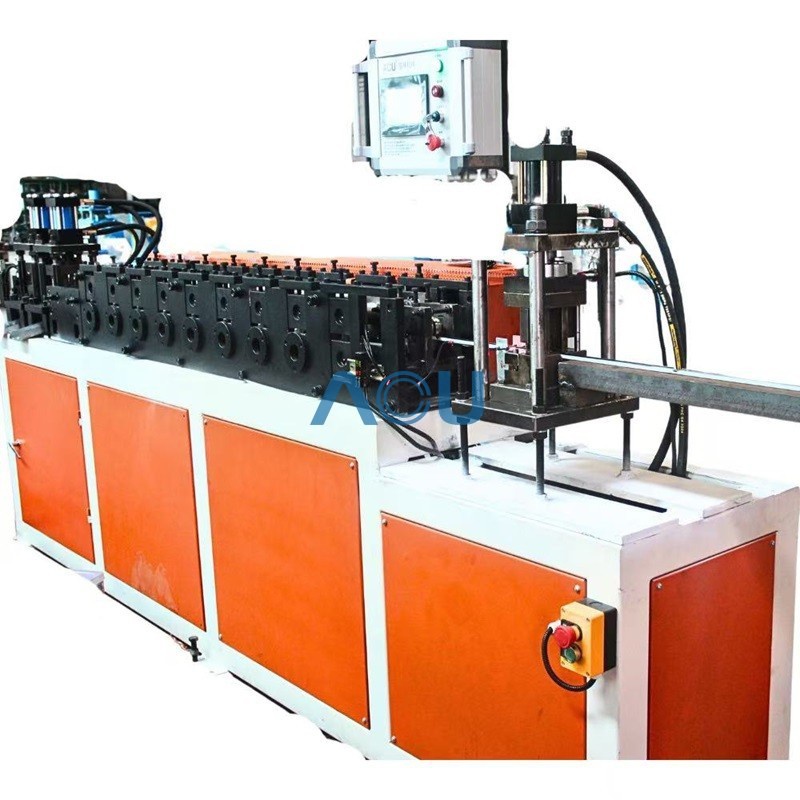
Roll forming machines shape metal strips through a series of forming rollers. Each station gradually bends the material until it reaches the required cross-sectional profile. Since these stations work together, a problem in one section can affect the quality of the entire production line.
Regular maintenance is important for several reasons.
Maintenance is not simply about repairing equipment when something goes wrong. It is a routine part of managing production quality and equipment reliability.
Before creating a maintenance schedule, it is useful to understand which parts of a roll forming machine require the most attention. Inspection frequency depends on machine design, operating hours, material type, production speed, and the manufacturer's maintenance instructions.
Forming rollers and roll stands
Forming rollers are responsible for gradually shaping the metal strip. Check their surfaces for scratches, corrosion, metal buildup, and unusual wear. Also inspect roll stands and mounting components for looseness or visible damage.
Bearings and lubrication points
Bearings support rotating shafts and allow the forming system to operate smoothly. Check for unusual noise, excessive temperature, vibration, or signs of lubricant leakage. Apply only the lubricant specified by the equipment manufacturer and follow the recommended intervals.
Drive system and transmission
Depending on the machine design, the drive system may include motors, gearboxes, chains, belts, gears, and couplings. Inspect accessible components for abnormal noise, loose connections, damaged guards, and signs of excessive wear.
Material feeding and guiding system
The feeding system controls how the metal strip enters the forming section. Inspect guide rollers, feeding rollers, and alignment components to make sure the material travels along the intended path without unnecessary friction or lateral movement.
Hydraulic and electrical systems
For machines equipped with hydraulic cutting, punching, or automated control systems, check for hydraulic leakage, damaged hoses, loose electrical connections, alarm messages, and abnormal control behavior. Electrical inspections and repairs should be performed by qualified personnel.
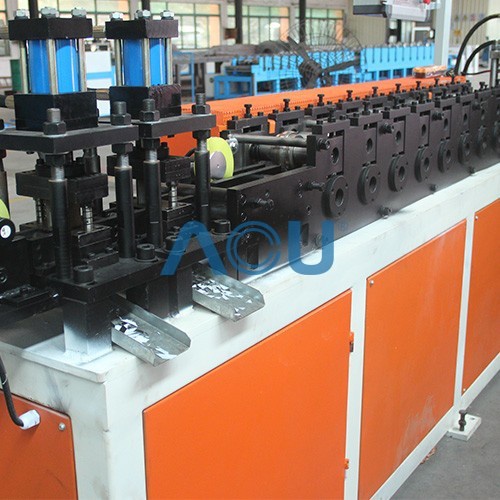
A maintenance schedule makes equipment care easier to manage. The following checklist provides a general starting point for industrial roll forming operations. Actual intervals should always follow the machine manufacturer's instructions and be adjusted to production conditions.
Daily maintenance and pre-operation checks
Weekly maintenance
Monthly maintenance
Periodic professional inspection
Some maintenance tasks require more detailed measurements and technical knowledge. Depending on operating hours and machine condition, professional inspection may include shaft alignment, roller calibration, drive system assessment, hydraulic system checks, and control system diagnostics.
Keeping maintenance records helps operators identify recurring problems and plan servicing before equipment performance deteriorates.
When a roll forming machine produces defective profiles or operates abnormally, the first step is to identify the symptoms. Do not immediately adjust the rollers or change machine settings without understanding the possible cause.
The following troubleshooting guide covers several common problems encountered in metal roll forming operations.
| Problem | Possible Causes | Recommended Checks |
|---|---|---|
| Uneven or distorted profiles | Roller misalignment, incorrect settings, material variation | Check roller alignment, tooling setup, and incoming material specifications. |
| Scratches on metal surfaces | Debris, damaged rollers, poor material handling | Inspect roller surfaces, guides, and the material path. |
| Excessive machine vibration | Loose fasteners, worn bearings, drive issues | Check mounting points, bearings, and transmission components. |
| Inconsistent feeding | Feeding roller wear, guide misalignment, coil problems | Inspect feeding rollers, guide positions, and coil loading conditions. |
| Incorrect cutting length | Encoder issues, incorrect settings, feeding slippage | Check encoder readings, calibration, and material movement. |
| Unusual noise or overheating | Insufficient lubrication, bearing wear, excessive load | Stop and inspect the affected component according to the maintenance procedure. |
| Hydraulic system problems | Fluid leakage, pressure problems, damaged hoses | Check for leaks and have qualified technicians assess the hydraulic system. |
These are diagnostic starting points, not definitive fault diagnoses. A single symptom can have several causes, so operators should compare the machine's condition with its technical documentation before making adjustments.
Uneven forming is one of the most common quality concerns in roll forming production. Finished profiles may show inconsistent dimensions, uneven bends, twisting, edge waves, or excessive deformation.
Several factors can contribute to these problems.
Check roller alignment. If the forming rollers are not correctly aligned, the metal strip may experience uneven pressure as it moves through the stations. This can lead to profile distortion or inconsistent dimensions.
Review the forming sequence. Each roller station is designed to introduce a controlled amount of bending. Incorrect tooling settings or an unsuitable forming sequence can place unnecessary stress on the material.
Check the incoming material. Variations in sheet thickness, hardness, flatness, and coil condition can influence the forming result. Confirm that the material matches the machine's specified operating range.
Inspect the straightening section. If the finished profile has excessive bow or twist, the straightening section and its setup may need inspection.
For specialized profiles, adjustment should be based on technical drawings, measured samples, and the machine manufacturer's recommendations rather than trial and error.
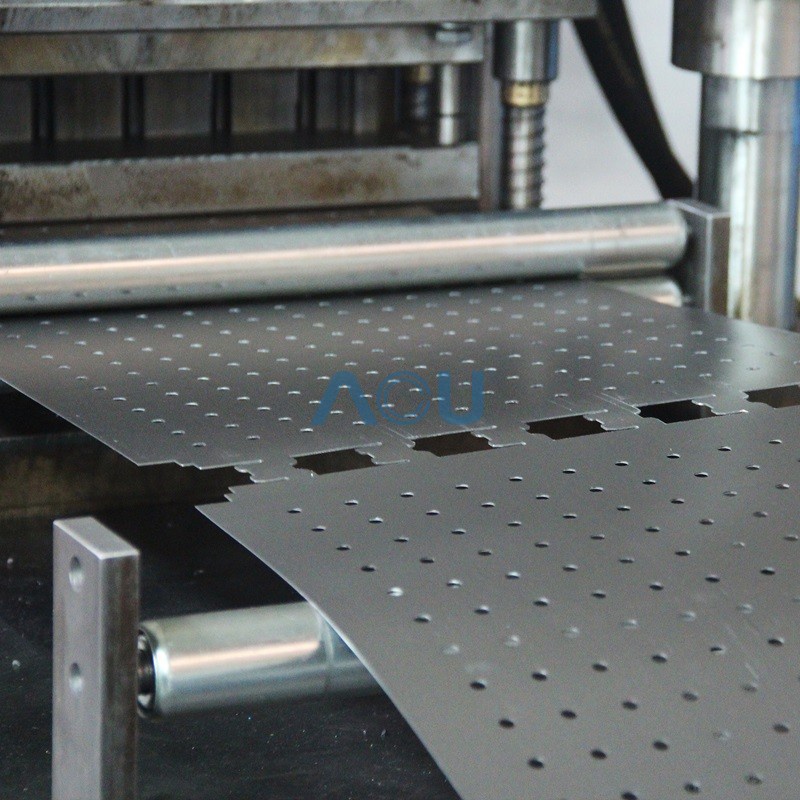
Surface scratches can affect the appearance and commercial value of finished metal profiles. They are particularly important in applications where the visible surface is part of the final product.
Common causes include:
To investigate surface defects, first stop the machine safely and inspect the material path. Check the rollers and guide components for contamination, burrs, or visible damage. Compare the location of the scratches on the finished product with the corresponding contact points along the production line.
Cleaning should be carried out using approved methods and suitable materials. Avoid abrasive cleaning methods that may damage precision roller surfaces.
If scratches continue after cleaning and inspection, the forming rollers, guides, and tooling setup may require professional assessment.
Stable material feeding is essential for consistent roll forming. If the metal strip enters the machine at an incorrect angle or moves unevenly, the resulting profiles may have dimensional variations, edge deformation, or inconsistent hole positions.
When investigating feeding problems, inspect:
Cutting accuracy is equally important. Machines with automatic cutting systems may use encoders to measure material movement and control the finished product length.
If the cutting length becomes inconsistent, check encoder readings, parameter settings, feeding stability, and the condition of the cutting system. Do not change calibration values without following the machine's technical instructions.
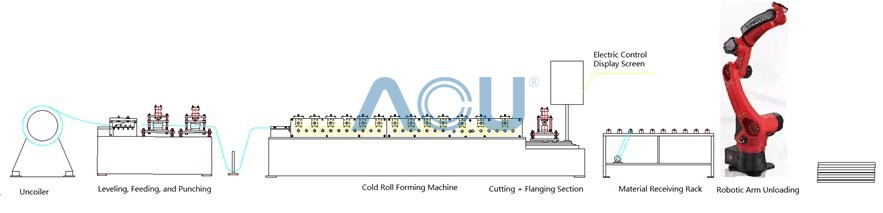
For production lines that combine feeding, leveling, punching, roll forming, and cutting, the performance of each section should be considered as part of the complete system.
ACU's Full Automatic Shelf Panel Roll Forming Machine is one example of an integrated line that uses servo feeding, punching, forming rollers, straightening, hydraulic cutting, and automated unloading. Understanding how these sections work together is useful when evaluating production quality and diagnosing process-related problems.
Maintenance work on industrial roll forming equipment involves mechanical, electrical, and sometimes hydraulic hazards. Safety procedures must be followed before anyone attempts to inspect or service the machine.
Important precautions include:
Never bypass an interlock or use an emergency stop as a substitute for proper energy isolation. If the cause of a fault is unclear, stop operation and request technical assistance.
Preventive maintenance is more effective when it becomes part of everyday production management rather than an occasional repair activity.
Manufacturers can improve equipment management by adopting a few practical habits.
Keep maintenance records. Record inspection dates, lubrication work, replacement parts, machine alarms, and recurring production issues. These records make it easier to identify patterns and plan future maintenance.
Monitor product quality. Measure finished profiles regularly and keep reference samples. Changes in profile dimensions or surface appearance may indicate a developing tooling or feeding problem.
Train machine operators. Operators should understand normal machine behavior, basic inspection procedures, alarm messages, and the correct steps for reporting problems.
Use the correct replacement parts. Bearings, rollers, belts, sensors, and other components should meet the machine's technical specifications. Incorrect replacements may introduce additional alignment or performance problems.
Follow the equipment manufacturer's service recommendations. Maintenance intervals and adjustment procedures can vary between machines. The manufacturer's manual should remain the primary reference.
For manufacturers operating multiple production lines, a documented preventive maintenance program also helps standardize inspection procedures across shifts and facilities.
Some problems can be identified through routine inspection, but not every issue should be solved by the production team. Certain faults require professional diagnosis, specialized measurement tools, or manufacturer-specific technical knowledge.
Contact a qualified service technician when you encounter:
Before contacting the manufacturer, prepare useful information such as the machine model, material specifications, production conditions, alarm codes, photos or videos of the problem, and samples of defective profiles. This information can help technicians understand the situation more efficiently.
ACU Machinery provides technical support for cold-formed steel equipment, including roll design, calculation, and forming process simulation. Its service team also provides installation coordination and technical training according to customer requirements.
Learn more about ACU's Technical Support and After-Sales Service for assistance with equipment maintenance, operation, and troubleshooting.
Maintenance is important throughout the working life of a roll forming machine, but equipment design also influences how easily a production line can be operated and serviced.
When selecting a machine, manufacturers should consider more than initial production speed. Important factors include:
For example, ACU's 2 in 1 Roll Forming Machine is designed to produce two different product profiles using two sets of forming rollers. This type of configuration can help manufacturers handle different production requirements with a single machine, provided that the tooling and operating procedures are correctly maintained.
FOSHAN ACU IMP.&EXP. CO., LTD. was established in 2007 and integrates research and development, processing, manufacturing, and sales. Its equipment portfolio covers roll forming machines and other sheet metal processing solutions for construction, automotive, door and window, home appliance, and related industries.
Explore ACU Roll Forming Machine Solutions to compare different equipment options for your production requirements.
How often should a roll forming machine be maintained?
A roll forming machine should receive basic checks before or during each production shift, with more detailed inspections scheduled weekly, monthly, and according to operating hours. The exact maintenance frequency depends on the machine design, production conditions, and manufacturer recommendations.
What are the most common roll forming machine problems?
Common problems include uneven profiles, surface scratches, inconsistent material feeding, excessive vibration, incorrect cutting lengths, abnormal noise, and hydraulic system issues. These problems may result from roller misalignment, worn components, material variation, or incorrect machine settings.
Why does my roll forming machine produce uneven profiles?
Uneven profiles may be caused by misaligned forming rollers, incorrect tooling settings, inconsistent material thickness, or problems in the straightening section. Check the material specifications and machine alignment before making adjustments.
How can I prevent scratches on roll-formed metal?
Keep forming rollers and material guides clean, inspect roller surfaces for damage, remove metal debris, and check material handling conditions. Damaged rollers or guides should be assessed and repaired or replaced as necessary.
What should I check if a roll forming machine makes unusual noise?
Stop the machine safely and investigate possible bearing wear, insufficient lubrication, loose mechanical connections, or drive system problems. Do not continue production if the noise is accompanied by overheating, excessive vibration, or visible damage.
Why is the cutting length inconsistent?
Inconsistent cutting length may result from encoder errors, incorrect parameter settings, material feeding slippage, or synchronization problems. Check the measurement and feeding systems according to the machine manual.
Can operators perform roll forming machine maintenance themselves?
Trained operators can perform approved routine inspections, cleaning, and basic condition checks. Electrical repairs, hydraulic servicing, precision roller alignment, and other specialized work should be handled by qualified technicians.
Does preventive maintenance improve roll forming machine service life?
Yes. Regular inspection, proper lubrication, timely replacement of worn components, and correct operating procedures can reduce avoidable wear and help maintain stable equipment performance over time.
When should I contact a roll forming machine manufacturer for technical support?
Contact the manufacturer when the machine has recurring faults, unexplained profile deformation, persistent vibration, electrical or hydraulic problems, or issues that cannot be resolved through approved routine inspection procedures.
A well-maintained roll forming machine is essential for consistent profile quality and efficient metal processing. Regular inspections, proper lubrication, clean forming rollers, stable material feeding, and timely troubleshooting all contribute to more reliable production.
For manufacturers, the goal is not simply to fix equipment after a breakdown. It is to recognize early warning signs, maintain important components, and establish a maintenance routine that supports long-term production requirements.
With experience in roll forming equipment manufacturing, technical development, and after-sales support, FOSHAN ACU IMP.&EXP. CO., LTD. provides machinery solutions for a wide range of metal forming applications.
If you are planning a new production line, upgrading existing equipment, or looking for technical support, visit ACU Machinery to learn more about its roll forming solutions and services.
 Signup our newsletter to get update information, news, insight or promotions.
 FOSHAN ACU IMP.&EXP.CO.,LTD.

 IPv6 network supported
Our hours
Mon 11/21 - Wed 11/23: 9 AM - 8 PM
Thu 11/24: closed - Happy Thanksgiving!
Fri 11/25: 8 AM - 10 PM
Sat 11/26 - Sun 11/27: 10 AM - 9 PM
(all hours are Eastern Time)
Hi! Click one of our members below to chat on